


Discover the ultimate showdown between OpenAI’s GPT-OSS 20B and Zhipu’s GLM 4.5 Flash. We break down the architecture, agentic behaviors, and how to define your local AI stack.
Discover the ultimate showdown between OpenAI’s GPT-OSS 20B and Zhipu’s GLM 4.5 Flash. We break down the architecture, agentic behaviors, and how to define your local AI stack.
Forget usage limits. We tested the top 5 Chinese open-source agentic models on Mac Silicon and RTX…
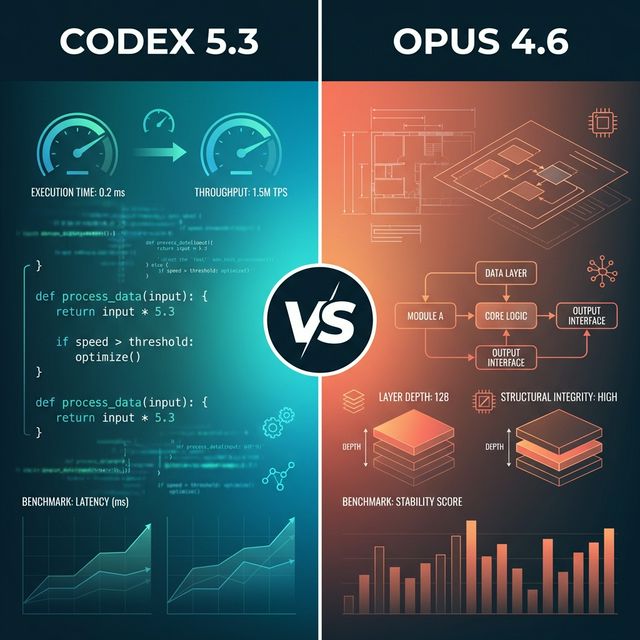
Codex 5.3 vs Claude Opus 4.6 head-to-head: benchmarks, pricing, Reddit insights, API capabilities. Both dropped Feb 5, 2026. Here’s which one you need.
OpenAI’s GPT-5.3-Codex is 25% faster, scored record benchmarks, and used early versions to debug its own training. Here’s what the self-improving coding model means for developers.
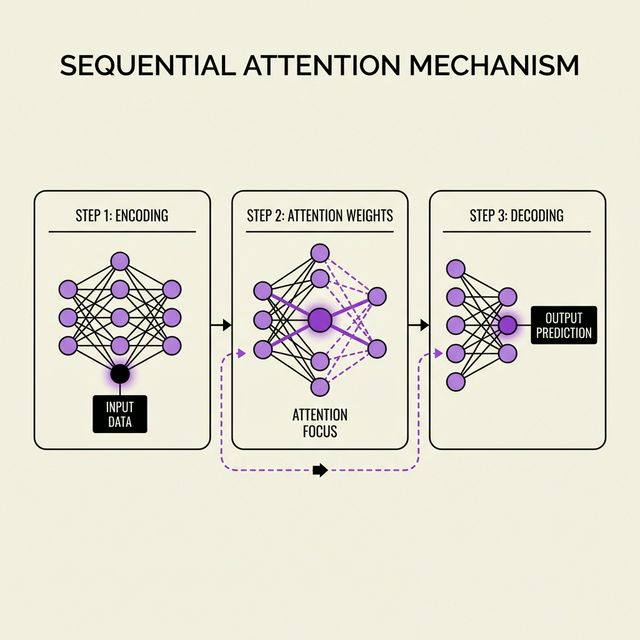
Google Research dropped Sequential Attention on Feb 4, 2026 with zero fanfare. This NP-hard solver is pruning LLMs, optimizing features, and making AI 10x leaner without accuracy loss.
Everyone expected Claude Sonnet 5. Anthropic dropped Opus 4.6 instead: 1M tokens, crushing GPT-5.2 on coding benchmarks. This changes everything.
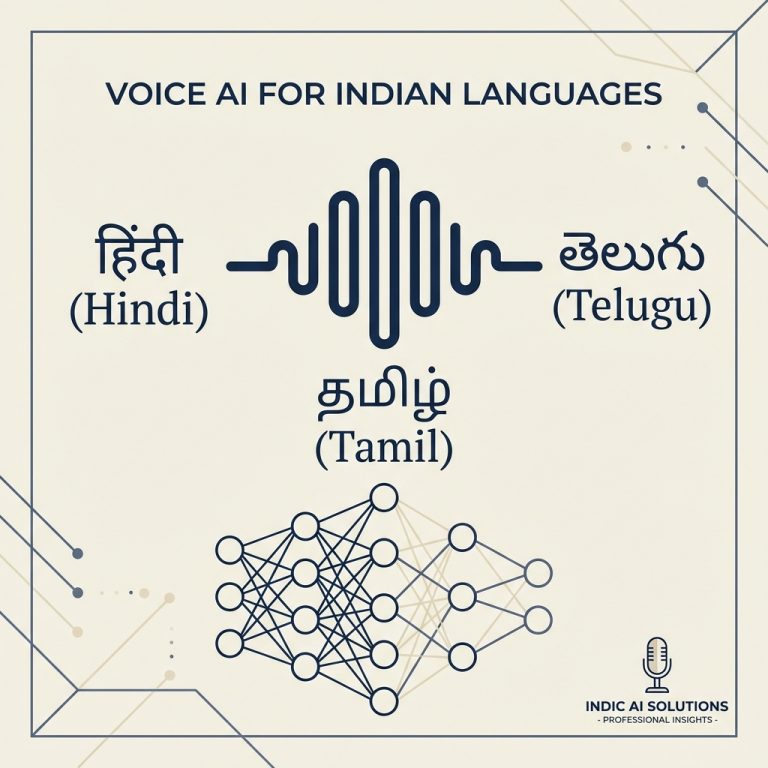
Sarvam Audio redefines voice AI with contextual speech recognition for 22 Indian languages, multi-speaker diarization, and format control that surpasses GPT-4o. India’s voice-first revolution starts here.
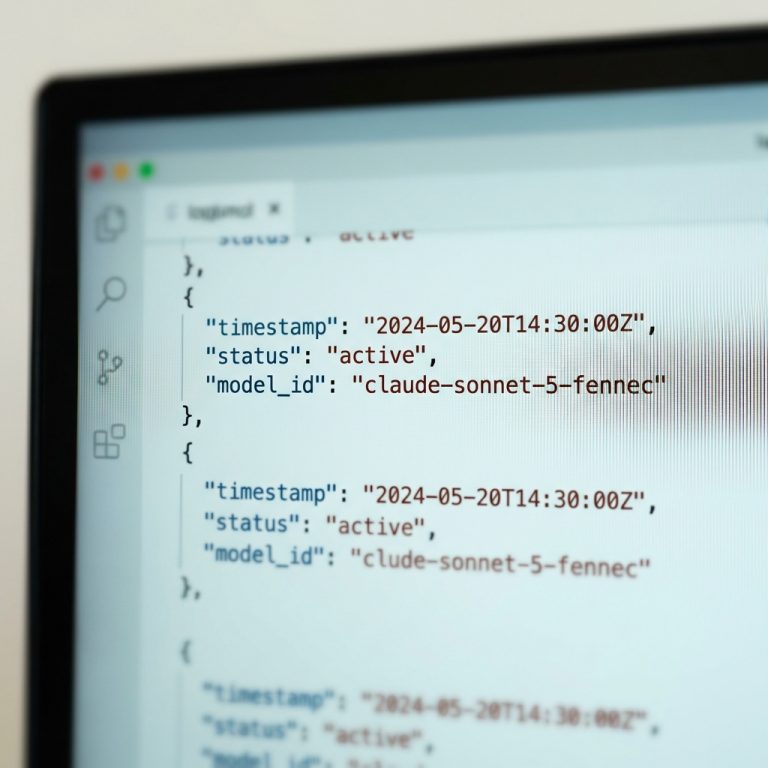
Anthropic accidentally leaked Claude Sonnet 5 (Codename: “Fennec”) yesterday. We break down the massive 82.1% SWE-Bench score, the aggressive $3/1M pricing, and how it compares to GPT-5.2 High and Gemini 3 Flash.
StepFun’s Step 3.5 Flash delivers 350 tok/s with 196B MoE architecture, 74.4% on SWE-bench Verified, and Apache 2.0 license. Deep technical analysis of China’s fastest agentic coding model vs Gemini 3 Flash and DeepSeek R1.
LTX-2 by Lightricks is the first open-source AI video model with native audio generation, 4K 50fps output, and blazing fast inference. Here’s why “silent AI” is dead.