

On January 12, 2026, Apple and Google confirmed what many whispered but few truly believed: a multi-year, multi-billion dollar partnership to power the next generation of Apple Intelligence with Google’s Gemini models.
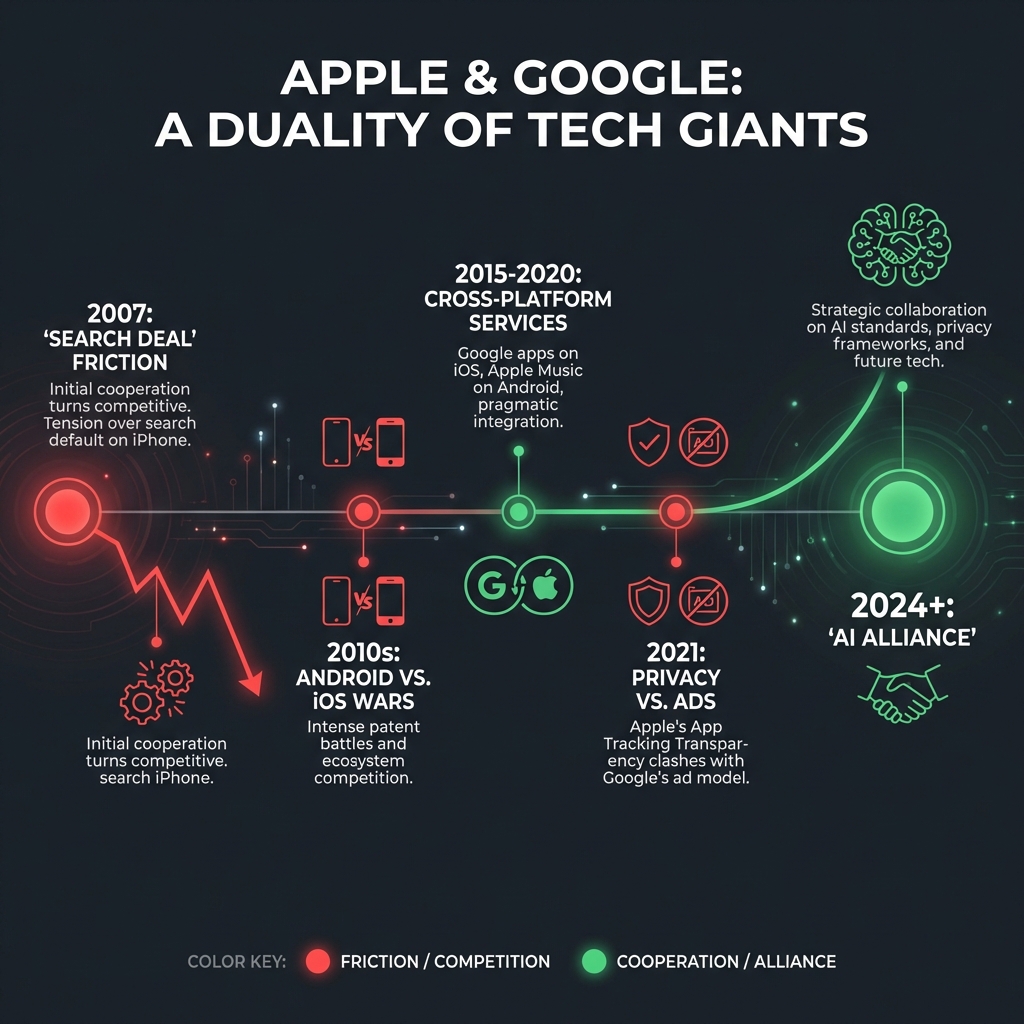
Think about that for a second. The two companies that have spent the last fifteen years fighting a bitter proxy war over mobile dominance—iOS vs. Android, blue bubbles vs. green bubbles—have just joined forces to build the intelligence layer of the future.
Reports suggest Apple is paying Google roughly $1 billion annually for access to a custom 1.2 trillion-parameter Gemini model. This isn’t just a vendor contract. It’s a strategic realignment that isolates Microsoft and OpenAI, validates Google’s “slow and steady” approach, and fundamentally changes what your iPhone is capable of.
I’ve been tracking the AI infrastructure wars closely, specifically how cloud providers are polarizing, and this is the nuclear option.
The Deal: What We Know
Official details are scant, but the shape of the agreement is clear from analyst reports and leak confirmations.
| Component | Detail | Strategic Implication |
|---|---|---|
| Core Model | Custom Gemini (1.2T parameters) | Significantly larger than on-device models; true reasoning capabilities. |
| Cost | ~$1B / year paid by Apple | Validates the “API economy” for foundation models. |
| Privacy | Private Cloud Compute (Apple) | Google provides the weights, Apple runs the inference on its own silicon/servers. |
| Integration | Deep Siri + System-wide | Moving beyond “send to ChatGPT” to native system understanding. |
| Timeline | iOS 26.4 (Spring 2026) | Immediate deployment to 2B+ active devices. |
This replaces the “search engine deal” dynamic with an “intelligence engine deal.” Apple historically took billions from Google to keep Search default. Now, Apple is paying to Google to make Siri usable. The money flows have reversed, but the dependency has deepened.
Why Apple Blinked (and Why It’s Smart)
For years, the narrative was “Apple is behind.” And they were.
The “Ajax” internal model project was reportedly plagued by data shortages and hallucination issues. By partnering with Google, Apple solves three massive problems instantly:
1. Time to Market: They get a GPT-5 class model now, not in 2027.
2. Infrastructure: Google’s TPU v6 pods are the only compute resource on earth that rivals Microsoft/OpenAI’s Azure clusters. Apple doesn’t have to build $20 billion data centers overnight.
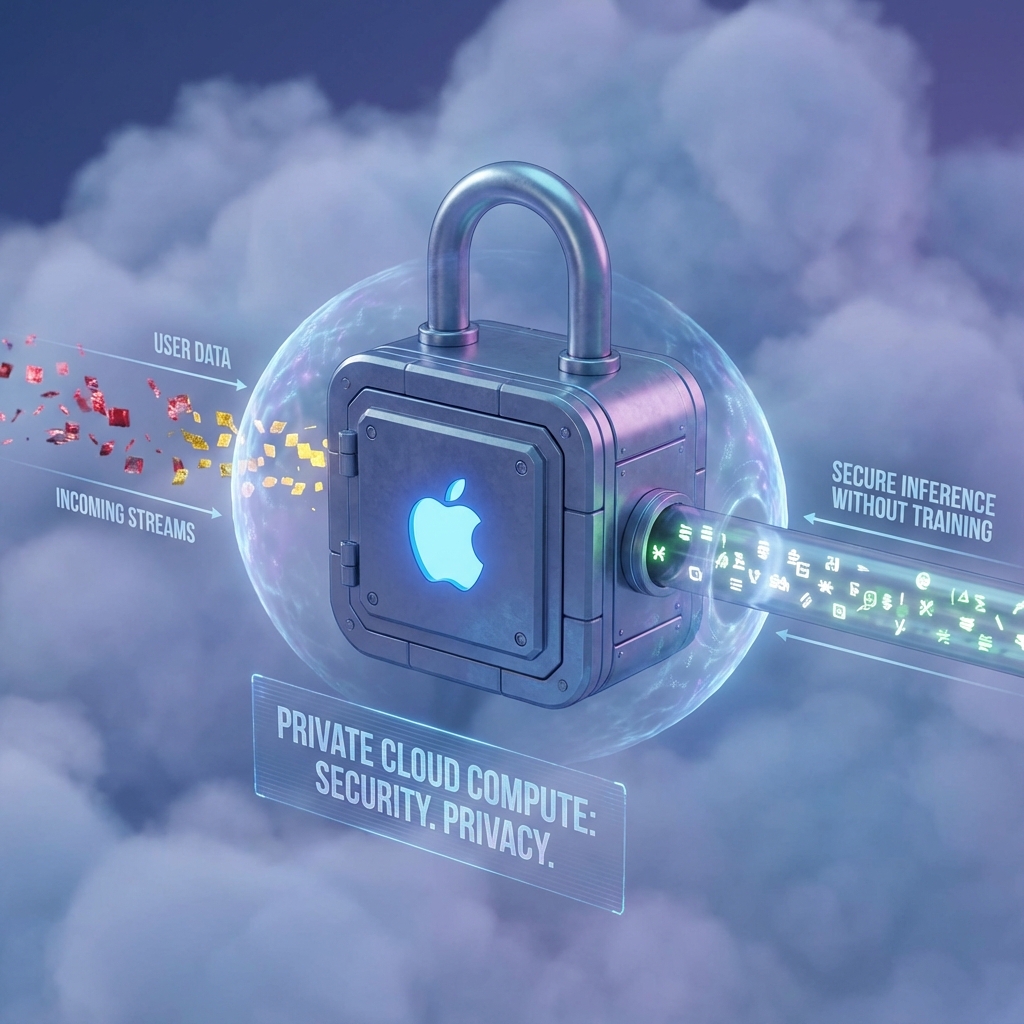
3. Liability: If Siri tells you to eat rocks, it’s Google’s model structure that can be blamed (quietly), while Apple maintains the privacy halo by running the actual queries on its own Private Cloud Compute.
It’s the classic Apple playbook: wait, watch, and then integrate the best technology once it’s mature, even if they didn’t build it.
The Microsoft & OpenAI Squeeze
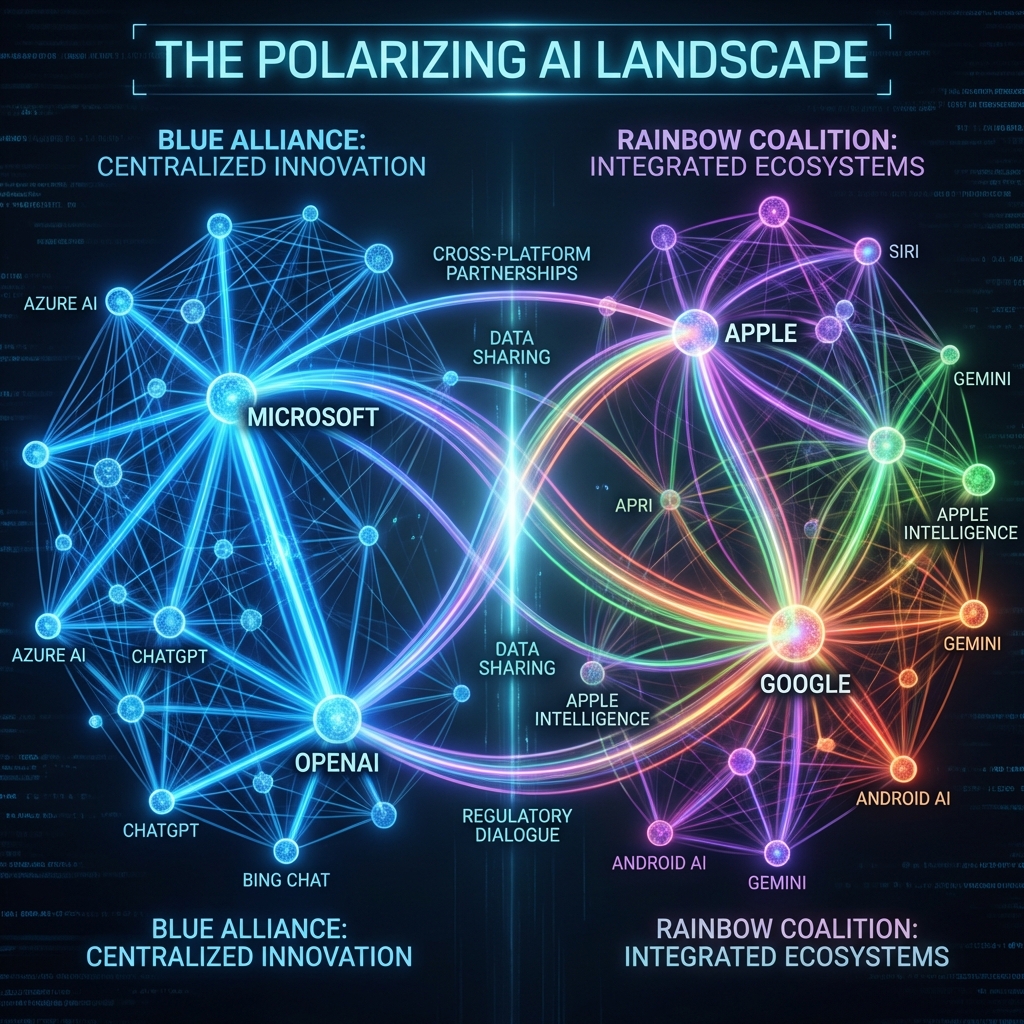
This is a body blow to Satya Nadella and Sam Altman.
Until yesterday, the assumption was that Apple and OpenAI were the inevitable power couple. Apple had integrated ChatGPT into iOS 19, and it seemed like a prelude to a deeper marriage.
This Google deal relegates OpenAI to a “plugin” status on the iPhone. Sure, you can still opt-in to use ChatGPT, but the default—the thing that powers Siri, summarizes your notifications, and sorts your mail—is now powered by DeepMind’s architecture.
The implication is brutal: OpenAI loses direct access to the default flows of 2 billion users. They are now an app, not the OS layer. Meanwhile, Google solidifies its position as the “Intelligence Utility” for the non-Microsoft world.
—
What This Means For You
If you’re an Apple user, get ready for a weird Spring.
1. Siri Will Actually Work.
We’ve heard this before, but a 1.2T parameter Gemini model is lightyears beyond the current on-device distilled models. Expect flawless context retention. You can ask, “Where did I park?” and it won’t just check location; it will remember the photo you took of a parking garage sign three hours ago.
2. The Ecosystem Wall Gets Taller.
This integration will likely work best between iPhone, Mac, and… Google services? We might see a thaw where Gemini on iPhone plays nicer with Google Docs/Drive than before, simply because they share a model DNA.
3. Privacy vs. Power.
Apple swears data never leaves their “Private Cloud Compute.” But you are essentially using Google’s brain. For the privacy hardliners, using a model trained by the world’s biggest data vampire (Google) inside the world’s biggest walled garden (Apple) is a complex pill to swallow.
The Bottom Line
The Apple-Google alliance is a “defensive aggregation.” It’s two tech giants realizing that separately, they might lose the AI platform shift to Microsoft/OpenAI. Together? They own the device (iPhone), the data (Search/Maps), and now, the intelligence model (Gemini).
For developers and users, the “AI Cold War” has shifted from a free-for-all to a bipolar world: The Microsoft/OpenAI Axis vs. The Apple/Google Alliance.
Pick your side.
FAQ
Does this replace the ChatGPT integration in Siri?
No. Apple confirmed the OpenAI integration remains. However, ChatGPT is an optional third-party call, whereas Gemini technology will power the native Siri experience.
Will Google see my Siri requests?
According to Apple, no. The agreement enables Apple to run custom Gemini models on its own “Private Cloud Compute” infrastructure. Google provides the model architecture and weights, but Apple executes the inference.
When will I get the “New Siri”?
Analysts predict the major overhaul will drop with iOS 26.4, likely in March or April 2026. Beta versions may appear for developers in February.